The Sacred Jackfruit of Sri Lanka: Why This "Rice Tree" is the Ultimate Superfood for Travelers
By Rainforest Vibe Team Sinharaja
A Tree That Carries the Weight of History
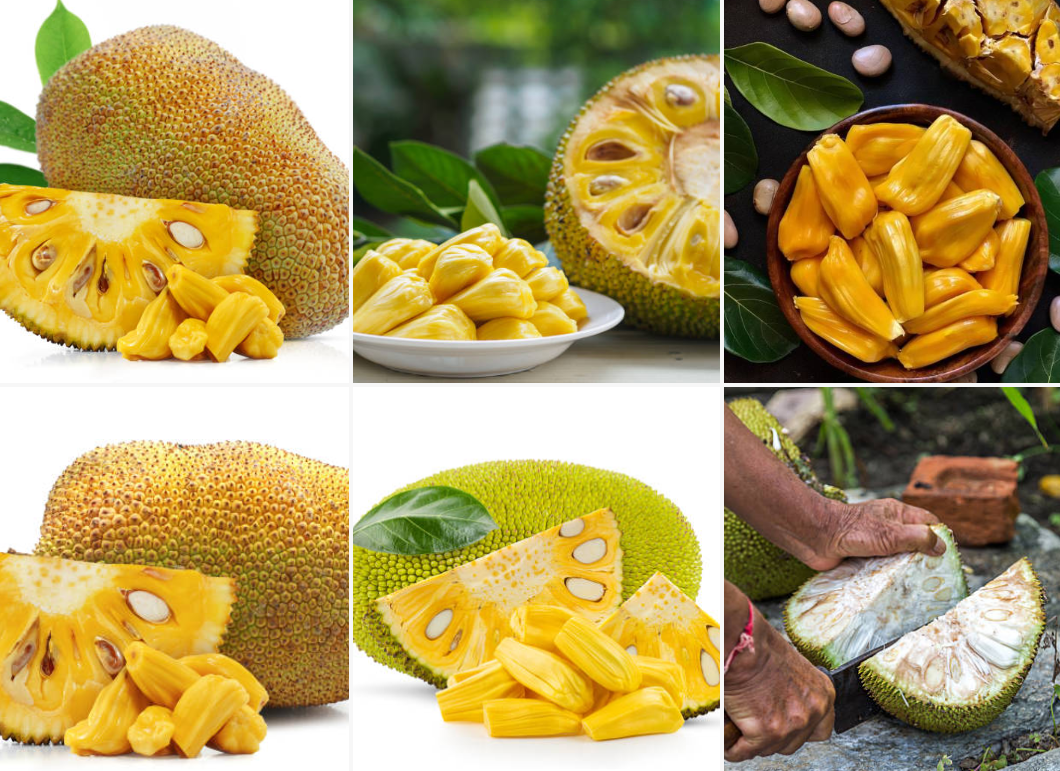
In the emerald landscapes of Sri Lanka, the jackfruit tree (Artocarpus heterophyllus) stands as more than just a source of food; it is a living monument to survival and resilience. Locally known as "Kos," this magnificent giant earned the revered title "Bath Gasa," or the "Rice Tree". This name is a testament to the tree's historical role as a silent guardian during times of colonial hardship and rice shortages, when its bountiful fruit prevented widespread famine across the island.
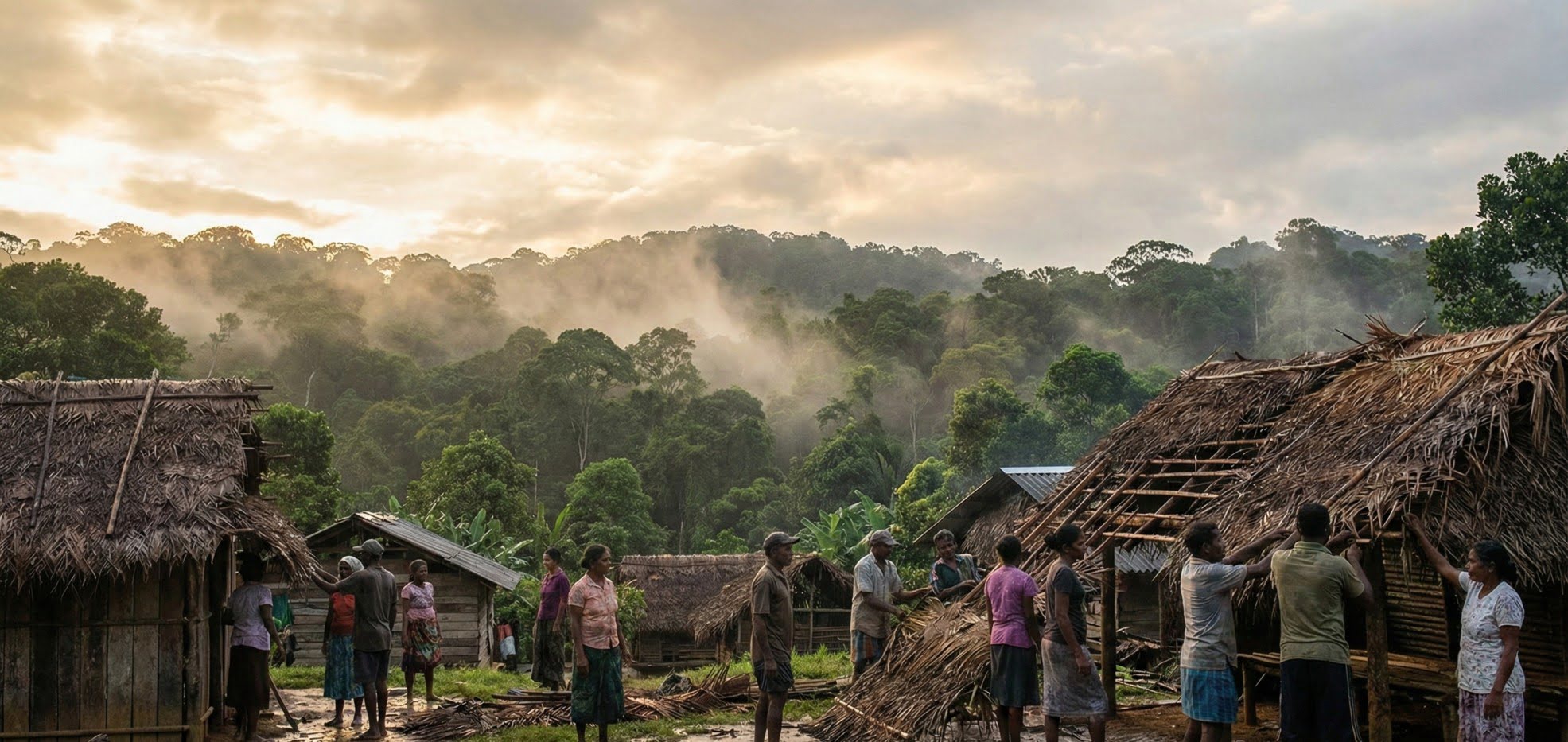
For travelers visiting the Sinharaja rainforest, the sight of massive, spiky fruits hanging directly from the trunk of a towering tree is a glimpse into an ancient heritage. It is a tree that has fed generations, deeply embedded in the culinary and cultural heart of the nation.
The Man Who Seeded a Nation’s Future
The prevalence of jackfruit in Sri Lanka today is largely thanks to the vision of Arthur V. Dias, a legendary philanthropist known affectionately as "Kos Mama" (Uncle Jack). During the early 20th century, fearing the vulnerability of the nation’s food supply under colonial rule, he launched an ambitious campaign to plant one million jackfruit trees across the island. His foresight ensured that even the poorest families had access to a calorie-dense, nutritious staple, solidifying the jackfruit’s status as the "poor man's food" that eventually became a national treasure.
From Ancient Famine-Fighter to Modern Superfood
While history celebrates the jackfruit for its calories, modern science is rediscovering it for its profound health benefits. For international travelers and eco-tourists interested in wellness, the jackfruit offers remarkable medicinal properties:
Diabetes Management: Unripe green jackfruit has a low glycemic index, making it a powerful tool for managing blood sugar levels.
Liver Health: Emerging research suggests that the antioxidants and phytonutrients in jackfruit can support the management of fatty liver disease.
Nutritional Density: A single cup of jackfruit is packed with Vitamin C, potassium, and dietary fiber, providing an energy boost for hikers and adventure seekers.
Digestive Wellness: The high fiber content promotes healthy digestion, a vital benefit for those exploring new tropical cuisines.
A Culinary Adventure: How to Enjoy Jackfruit in Sri Lanka
One of the joys of visiting Sri Lanka is experiencing the versatility of jackfruit in a traditional kitchen. The fruit changes character entirely depending on its maturity:
Polos (Baby Jackfruit): Used in the famous "Polos Ambula" curry, young jackfruit has a savory, fibrous texture that mimics pulled pork or beef, making it a global favorite for vegans.
Kos (Mature Unripe Jackfruit): Often boiled and eaten with fresh coconut, this stage provides a starchy, satisfying meal that truly earns the "Rice Tree" moniker.
Wela or Waraka (Ripe Jackfruit): When fully ripe, the fruit becomes sweet and aromatic, with a flavor reminiscent of a tropical blend of honey, banana, and pineapple.
Jackfruit Seeds: Never thrown away, these seeds are roasted or curried, offering a nutty flavor similar to chestnuts.
Sustainable Travel and the Future of Food
For the eco-conscious traveler, the jackfruit tree represents the pinnacle of sustainable agriculture. These trees are highly productive, require minimal maintenance, and are resilient to the changing climate. By choosing jackfruit-based meals during your stay at Rainforest Vibe, you are supporting a food system that is both environmentally friendly and deeply rooted in local tradition.
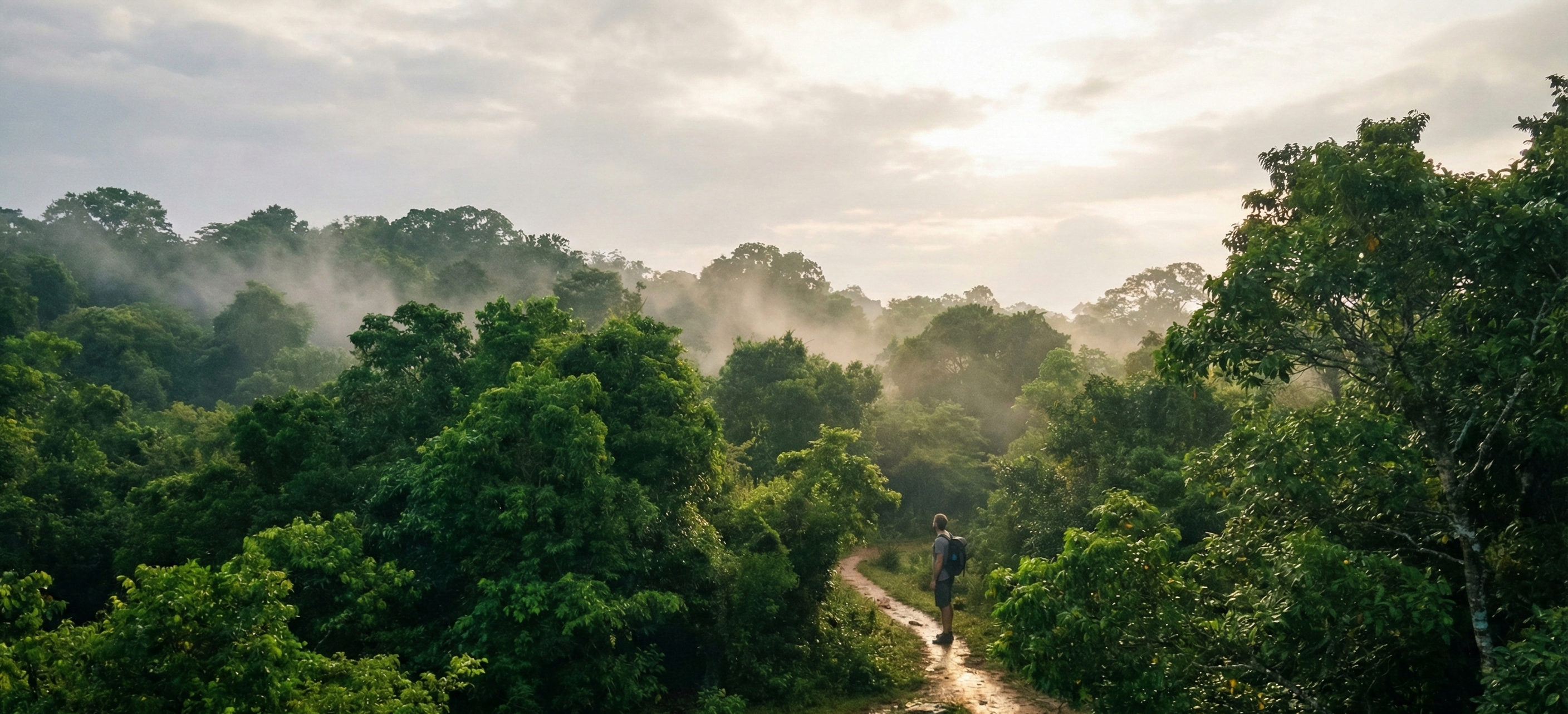
As you trek through the dappled sunlight of Sinharaja, keep an eye out for the "Bath Gasa". It is not just a tree; it is a story of a nation’s past and a promising solution for a healthier, more sustainable future.