Kithul Madeema: A Living Heritage of Sri Lanka’s Forest Communities
In the shaded heartlands of Sri Lanka’s rural villages and forest edges, generations of skilled hands have practiced an ancient craft known as
Kithul Madeema or
Kithul Kapeema. More than a livelihood, this traditional method of tapping sap from the
kithul palm (Caryota urens) is a living expression of Sri Lanka’s cultural identity.
In December 2025, this practice was officially added to
UNESCO’s List of Intangible Cultural Heritage in Need of Urgent Safeguarding, bringing global attention to a tradition that has quietly sustained communities for centuries. For travelers visiting Sri Lanka—especially those drawn to eco-tourism, authentic culture, and rainforest experiences—Kithul Madeema offers a rare window into a way of life shaped by patience, skill, and deep respect for nature.
What Is Kithul Madeema?
Kithul Madeema refers to the careful extraction of sap from the flowering stalk of the kithul palm, a tree commonly found in Sri Lanka’s wet zone forests and home gardens. Unlike industrial sugar production, this is a
fully manual, low-impact process, refined through generations of knowledge passed down orally.
The sap collected from the kithul palm is remarkably versatile. Depending on how it is processed, it becomes:
Kithul treacle (kithul honey), a rich natural sweetener
Jaggery, a solid unrefined sugar used in traditional sweets
Kithul vinegar, prized for its medicinal qualities
Traditional alcoholic beverages, made through natural fermentation
Fresh sap, sometimes consumed directly
Each product carries not just flavor, but a story of place and tradition.
The Skill Behind the Craft
Becoming a kithul tapper is not something learned overnight. The process demands physical endurance, precision, and a deep understanding of the tree itself.
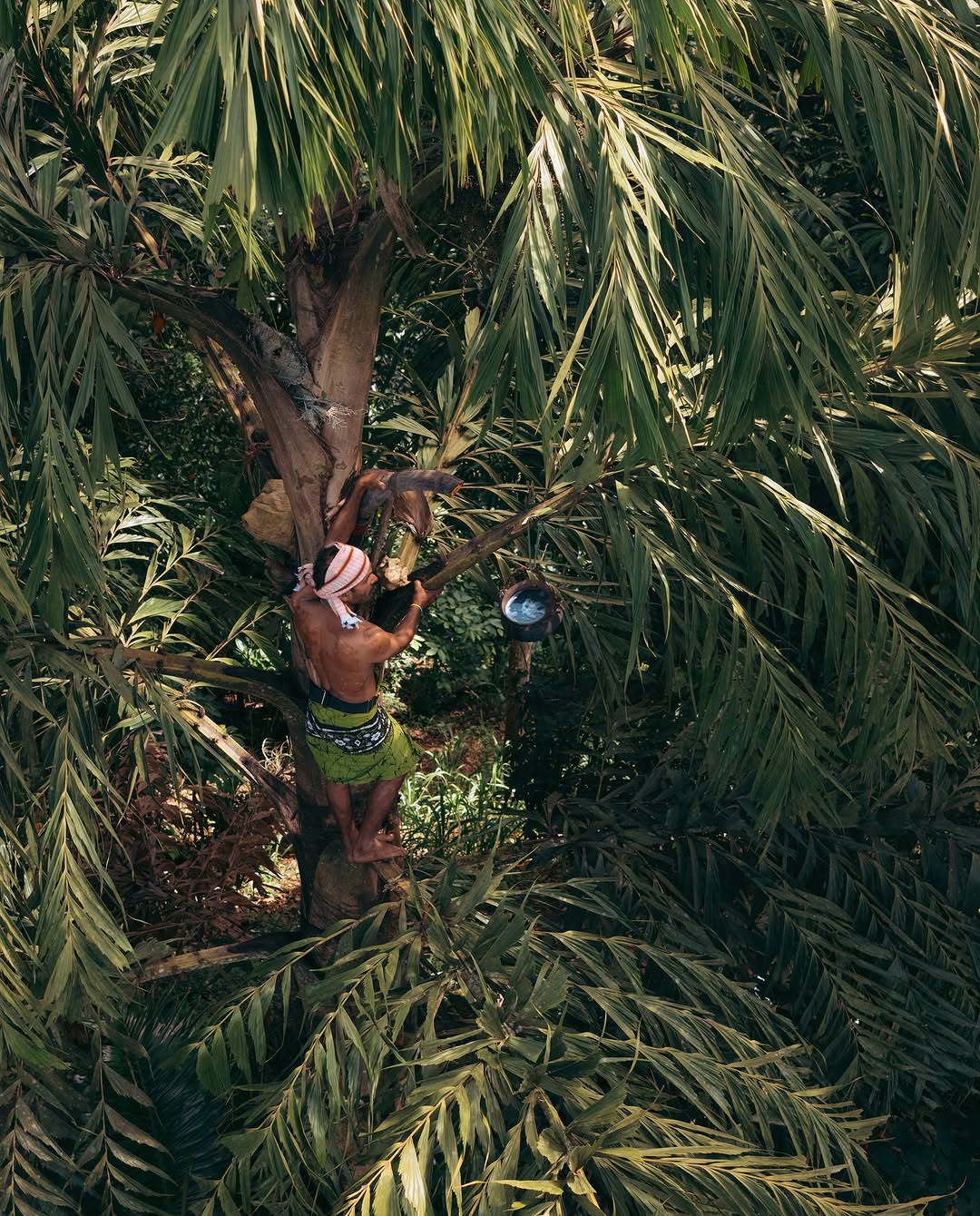
A typical day of Kithul Madeema begins before sunrise. Skilled tappers climb towering palms using ladders or ropes, often at considerable heights. The flower stalk is carefully bound with natural vines to control sap flow, then tapped with a
specialized knife considered sacred within the practice.
Small, precise cuts are made daily. Too deep, and the tree may be damaged. Too shallow, and the sap will not flow. The sap is collected in containers, filtered to remove impurities, and then slowly boiled—sometimes for hours—over a wood fire until it thickens into treacle.
This delicate balance between human effort and natural rhythm is what makes Kithul Madeema so unique.
Why UNESCO Recognition Matters
UNESCO’s designation is both an honor and a warning. While Kithul Madeema remains culturally significant, it is increasingly under threat.
Several factors contribute to its decline:
Modernization and urban migration, reducing interest among younger generations
Deforestation and habitat loss, limiting access to kithul palms
Lack of formal documentation, making knowledge transfer fragile
By placing Kithul Madeema on the
List of Intangible Cultural Heritage in Need of Urgent Safeguarding, UNESCO emphasizes the importance of protecting not just the end products, but the skills, rituals, and ecological knowledge behind them.
This recognition encourages sustainable forest management, intergenerational learning, and cultural tourism that benefits local communities.
Experiencing Kithul Culture Near Sinharaja
The
Sinharaja Forest region, a UNESCO World Heritage Site itself, remains one of the landscapes where kithul palms thrive naturally. For guests staying near Sinharaja, including at eco-retreats like Rainforest Vibe, Kithul Madeema represents more than history—it is part of everyday life.
Visitors may encounter:
Locally produced kithul treacle served with traditional breakfasts
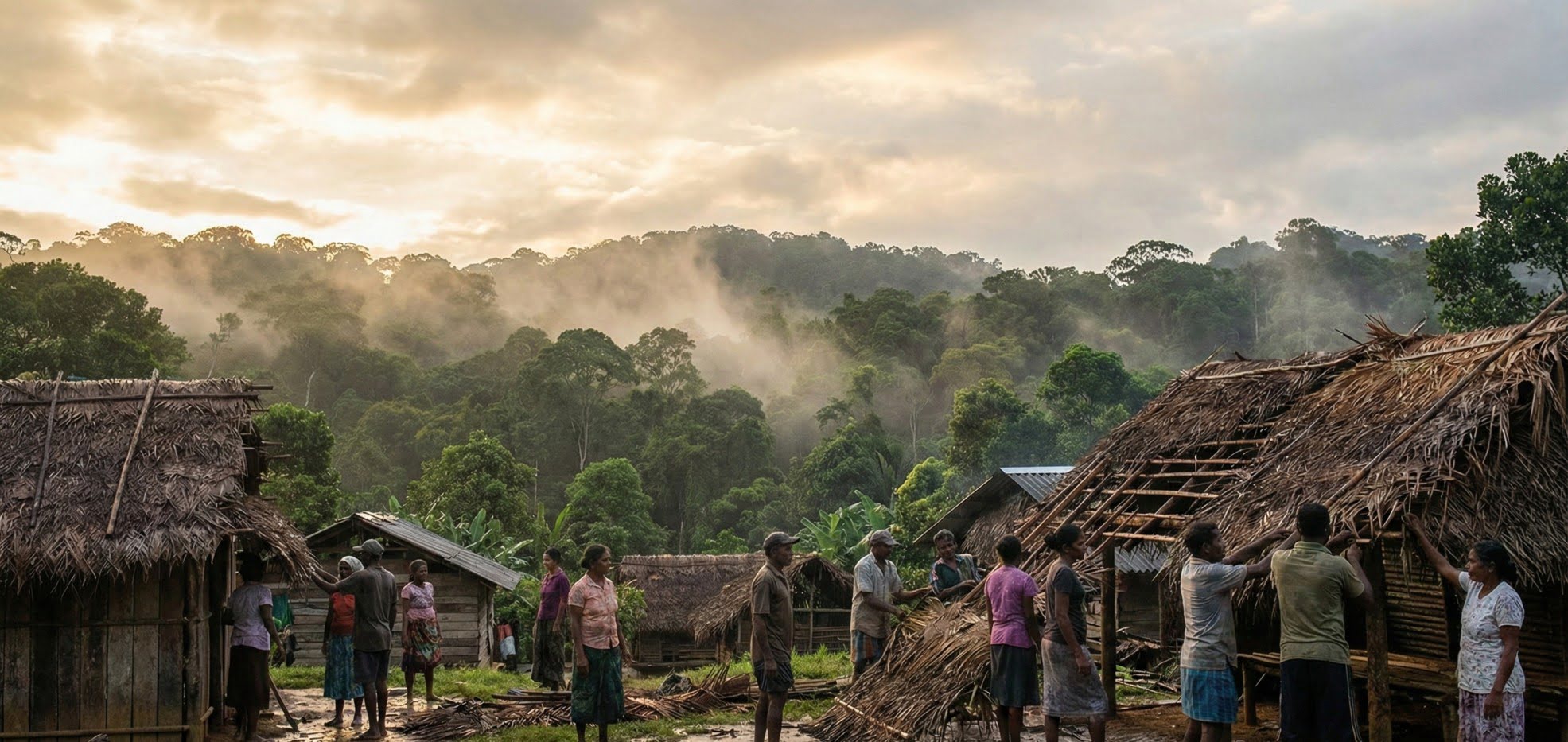
Village stories explaining how families have practiced tapping for generations
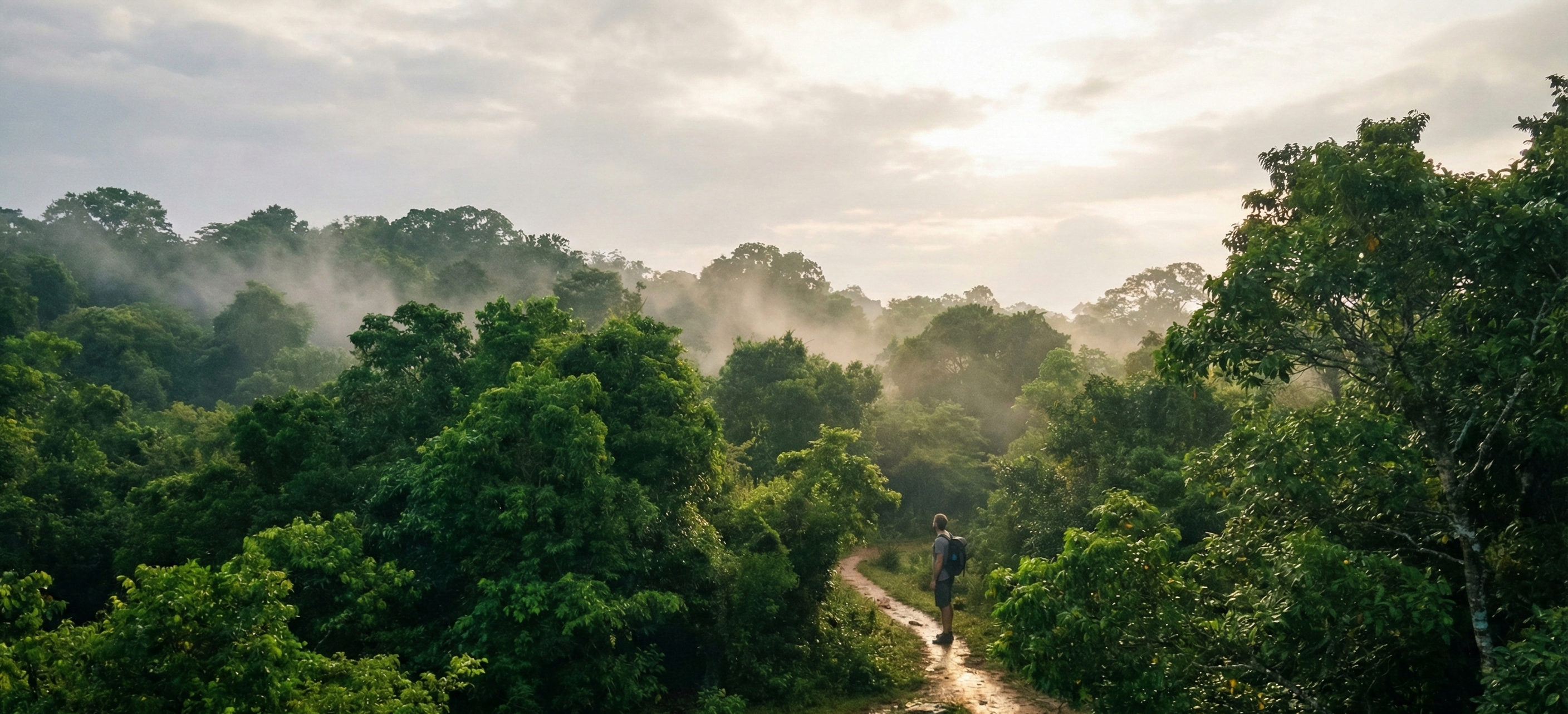
Forest walks that reveal the natural habitat of the kithul palm
For families, this offers a meaningful cultural lesson. For adventure seekers, it reveals the human stories woven into the rainforest. For eco-tourists, it is a powerful example of sustainable living rooted in nature.
A Tradition Worth Protecting
Kithul Madeema reminds us that heritage is not confined to museums. It lives in forests, villages, and daily rituals. As Sri Lanka opens its doors to conscious travelers, this ancient practice stands as a symbol of balance—between humans and nature, tradition and change.
By choosing local products, learning their stories, and supporting community-based tourism, travelers play a quiet but important role in keeping this heritage alive.
Reference:
Sri Lanka’s Kithul tapping added to UNESCO’s Intangible Cultural Heritage List
Image courtesy of The Fabulous Getaway