The Ultimate Guide to Sinharaja Forest Reserve: Sri Lanka’s Ancient Kingdom of the Lion
By Rainforest Vibe Team Sinharaja
The Ultimate Guide to Sinharaja Forest Reserve: Sri Lanka’s Ancient Kingdom of the Lion
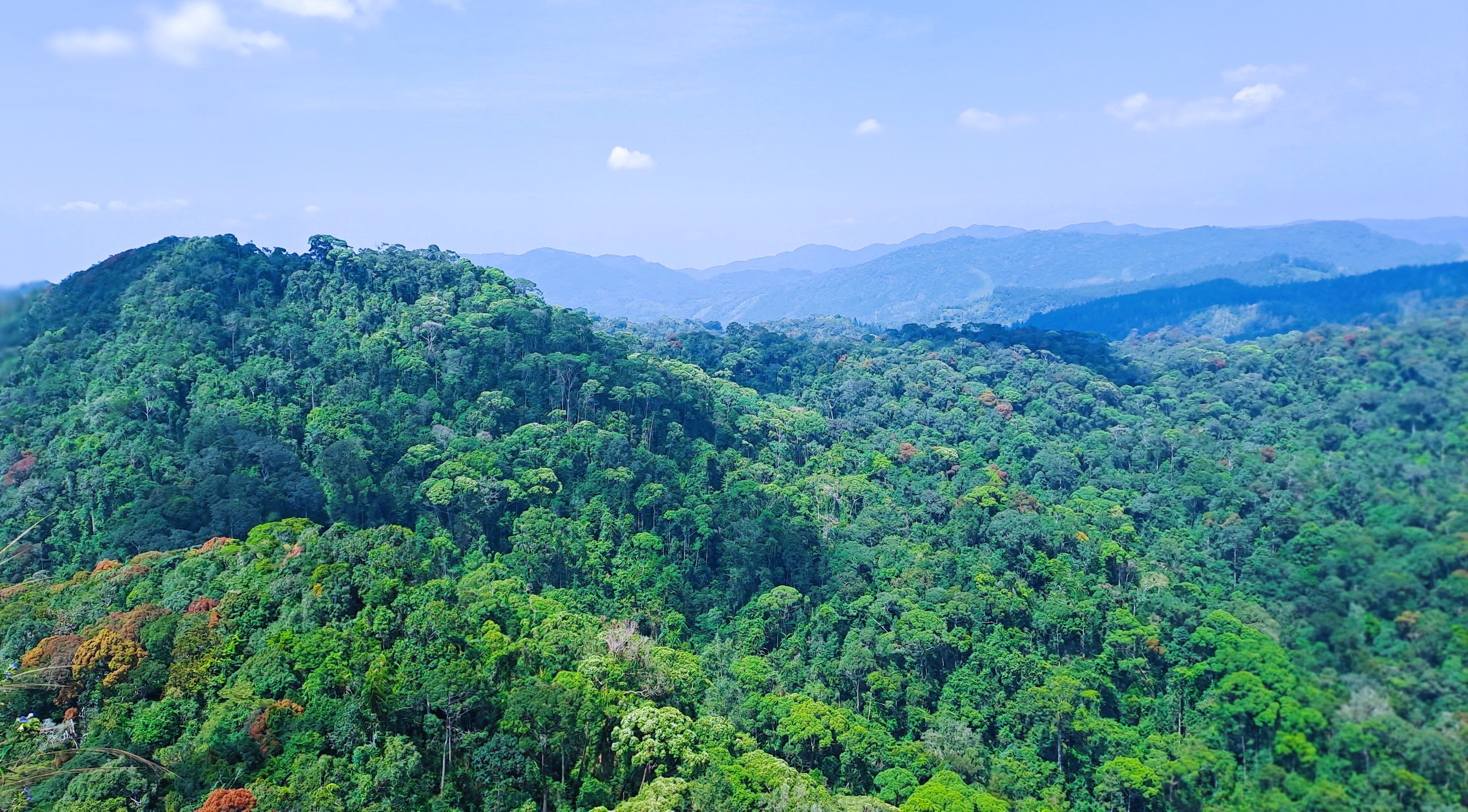
Stepping into the Sinharaja Forest Reserve is not merely a hike; it is a journey back in time. As the morning mist clings to the dense, emerald canopy, you are entering one of the last remaining fragments of the primary tropical lowland rainforest that once blanketed the island of Sri Lanka.Known in Sanskrit as the "Kingdom of the Lion," Sinharaja is a place of myth and deep biological mystery, serving as a living museum for species that are relics of the ancient Gondwanaland supercontinent.
For international travelers and eco-conscious families, this UNESCO World Heritage Site offers an immersion into a world where nature remains untamed and extraordinary.
Into the Kingdom of the Lion: A Living Museum
Inscribed as a UNESCO World Heritage Site in 1988, Sinharaja represents the pinnacle of Sri Lankan biodiversity.Spanning over 8,800 hectares, the reserve is bordered by the Koskulana Ganga in the north and the Gin Ganga in the south.Its significance cannot be overstated: more than 60% of the trees here are endemic, many of which are considered rare on a global scale.
As you walk beneath the towering dipterocarps, the air is thick with the scent of damp earth and the rhythmic hum of cicadas.This is a high-intent destination for those seeking more than a typical safari; it is for the adventurer who wants to feel the pulse of a prehistoric world.
The Magic of the Bird Wave: Endemic Wildlife Encounters
The true heartbeat of Sinharaja is its wildlife.The forest is home to 23% of Sri Lanka’s endemic animals, including a staggering 85% of the country’s endemic birds.Bird enthusiasts from around the world flock here to witness the "mixed-species feeding flock," often called the "Bird Wave".
In a unique display of avian cooperation, different species travel together through the canopy. Led by the noisy Orange-billed Babbler and the fearless Sri Lanka Drongo, these waves might include:
Sri Lanka Blue Magpie: A vibrant bird with a chestnut head and blue body, often seen near the forest edges.
Red-faced Malkoha: An elusive canopy-dweller recognized by its striking red mask.
Green-billed Coucal: A rare endemic often found in the dense undergrowth.
Beyond the birds, keep your eyes peeled for the Purple-faced Langur, a shy endemic primate whose roars echo through the valleys, and the spectacular Blue Morpho butterflies that dance through the high canopy like windblown paper.
Choosing Your Adventure: The Gates to the Jungle
When planning your visit, choosing the right entrance is key to your experience.
The Kudawa Entrance (North)
Ideal for adventure seekers and those staying in the Ratnapura area.This entrance provides access to the famous suspension bridge trek and is a favorite for those looking for a more rugged jungle experience.
The Pitadeniya and Deniyaya Entrances (South)
Located near the southern border, these entrances are perfect for families and photographers. They offer easier access to stunning water features and are generally considered the best gateway for those coming from the southern beaches.
Morningside (East)
For the true off-the-beaten-path explorer, the eastern Morningside area offers a cooler, montane forest vibe with unique flora not found in the lower sections of the park.
Mist and Water: Exploring Sinharaja’s Iconic Waterfalls
No trek through Sinharaja is complete without reaching its pristine waterfalls. The forest’s criss-crossing network of streams creates hidden gems that are perfect for a refreshing dip.
The Kakunaella Waterfall, located near the Deniyaya entrance, offers a cool respite after a long jungle trek. For those seeking a more dramatic sight, the Duwili Ella falls provide a breathtaking backdrop of cascading water framed by ancient fragments.These spots are not just scenic stops; they are vital parts of an ecosystem that filters and provides water for the surrounding communities.
Essential Tips for the Modern Explorer
To make the most of your Sinharaja adventure, preparation is essential. The forest is beautiful, but it can be challenging for the unprepared.
Hire a Local Guide: This is mandatory for entry, and for good reason. Expert guides are masters at spotting camouflaged reptiles and identifying bird calls that the untrained ear would miss.
Wear Leech Socks: Leeches are a common part of the rainforest experience, especially after rain. Leech socks are the most effective way to protect your ankles and ensure a comfortable hike.
Timing is Everything: Wildlife is most active in the early morning. Aim to be at the entrance by sunrise to witness the forest waking up.
Leave No Trace: As a Biosphere Reserve, maintaining the purity of this habitat is a collective responsibility. Carry out all trash and respect the wildlife by keeping a safe distance.
Sinharaja is more than a destination; it is an immersion. Whether you are a solo traveler seeking solitude, a family looking for an educational adventure, or a photographer chasing the perfect shot of a Blue Magpie, the "Kingdom of the Lion" promises an experience that will stay with you long after the mud has washed off your boots.