Why Sinharaja is the Best Place to Visit in This Decade
If you’re wondering where to travel next, the answer is clear: Sinharaja Rainforest—Sri Lanka’s last great stretch of primary rainforest. It’s not just a trip; it’s a rare opportunity to reconnect with nature at a time when the world is losing that connection faster than ever before.
The FOMO Is Real—Nature Connection Is Disappearing
A recent study by Professor Miles Richardson from the University of Derby revealed something alarming: humans are now 60% less connected to nature than 200 years ago.
Richardson warns this “extinction of experience” will continue unless major changes happen—such as introducing children to nature early and making cities much greener.
Right now, people in Sheffield spend only 4½ minutes a day in nature. Imagine what that’s doing to our mental and physical health.
Sinharaja is your chance to break that pattern—before the bond with nature disappears completely.
Why Sinharaja Stands Out This Decade
A Living Museum of Biodiversity
Sinharaja Rainforest is a UNESCO World Heritage Site home to rare species found nowhere else on Earth, such as:An Immersive Nature Experience
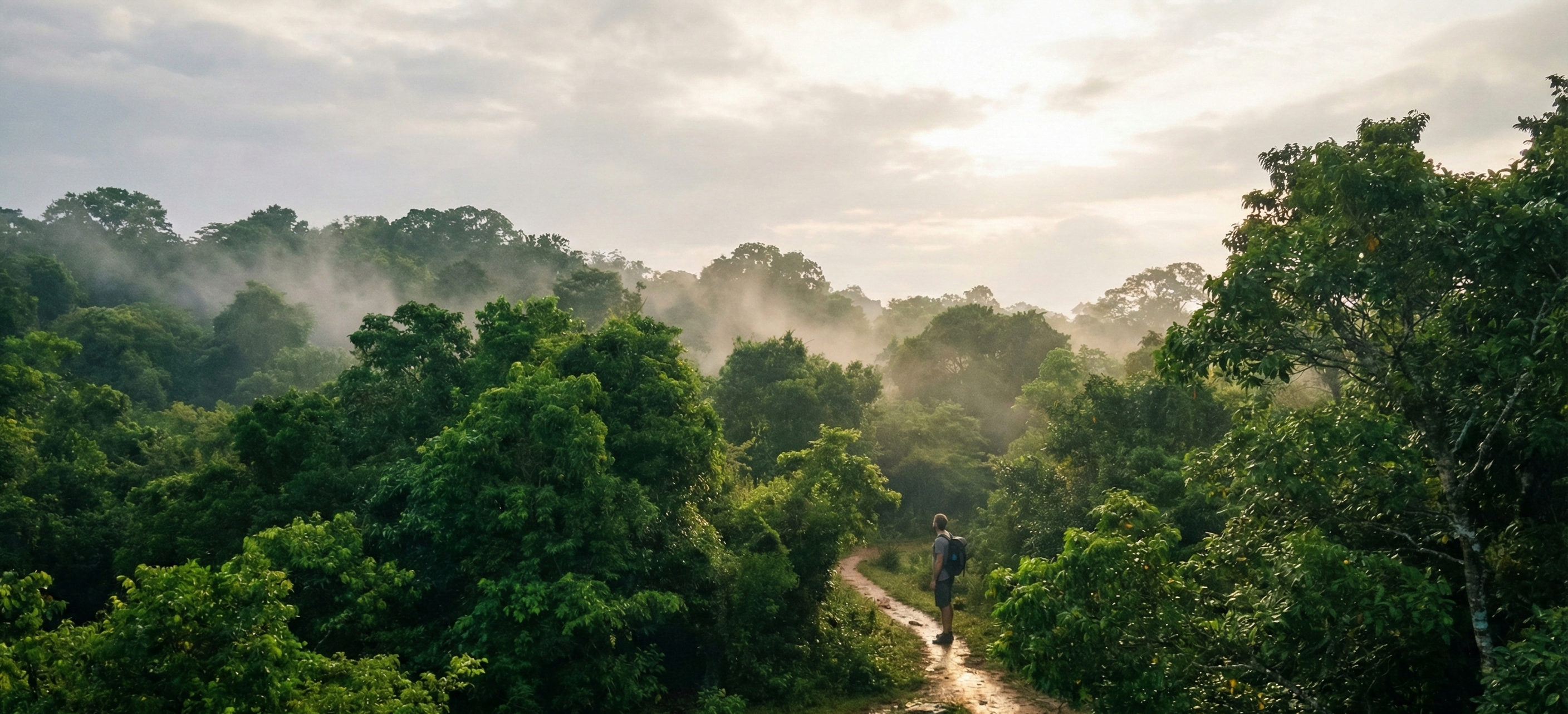
Forget crowded tourist spots. Here, you’ll trek under emerald canopies, hear the call of exotic birds, and feel the cool mist from hidden waterfalls.- Top experiences include:
- Guided nature walks
- Waterfall swims in Kekuna Ella
- Night jungle treks to see glowing fungi
It’s Now or Never
Deforestation and climate change threaten rainforests worldwide. Sinharaja remains protected—but like all ecosystems, its survival depends on responsible tourism and conservation.- Visiting now means:
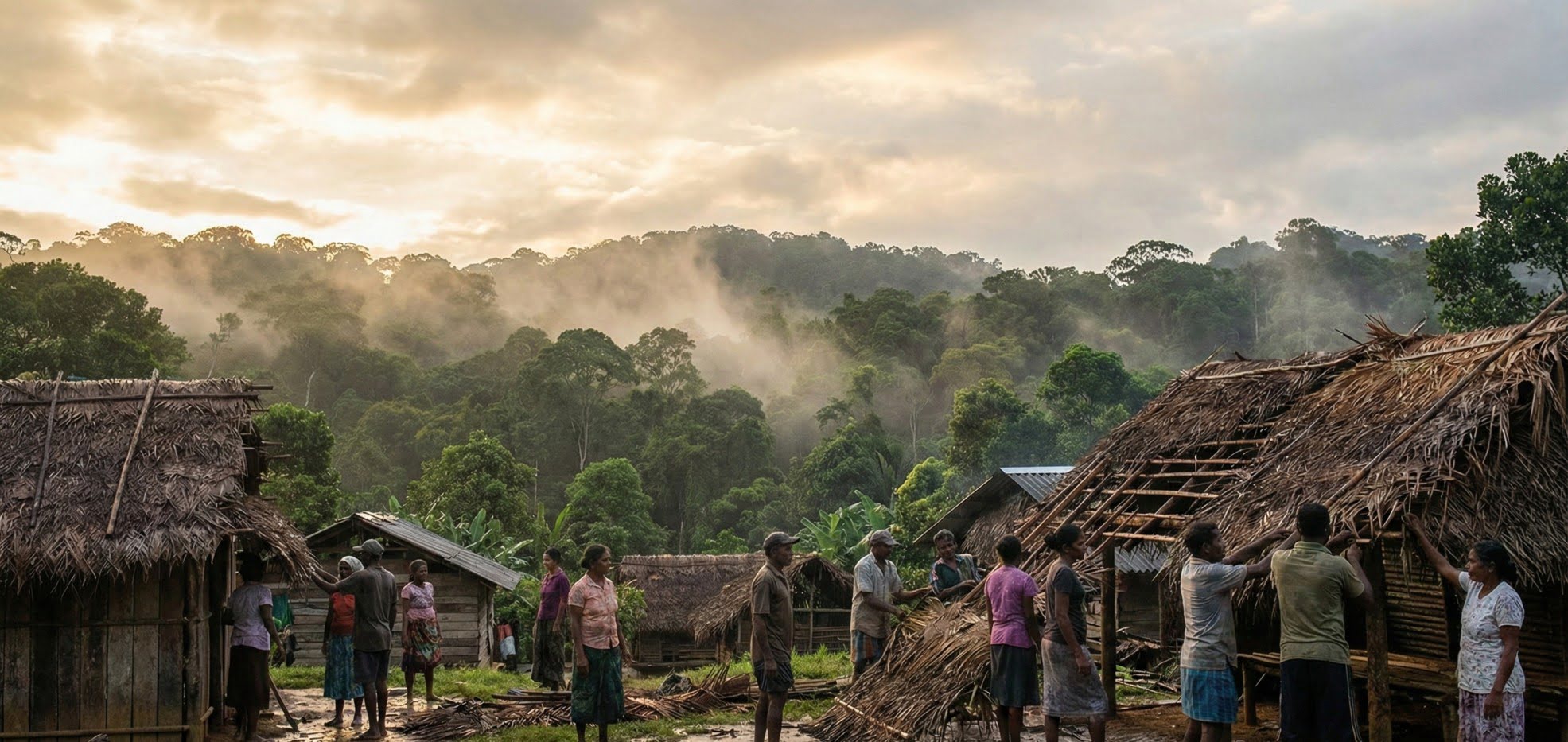
- Supporting local communities who protect the forest
- Funding conservation projects
- Experiencing the forest before global biodiversity loss reaches irreversible levels
The Mental Health Boost You Can’t Ignore
Science shows spending just 40 minutes a day in nature can significantly boost mood, lower stress, and improve focus. Sinharaja offers far more—immersing you in days of uninterrupted green therapy.✈ How to Plan Your Trip to Sinharaja Rainforest
Best Time to Visit: January–March and August–September
Entry Points: Kudawa, Pitadeniya, Lankagama
- Top Tips:
- Hire a licensed guide for the best wildlife sightings
- Wear lightweight, quick-dry clothing
- Bring binoculars and a camera
❤️ Reconnect Before It’s Too Late
If Richardson’s study is right, the human-nature bond could vanish for future generations unless we act now. Visiting Sinharaja Rainforest is more than a holiday—it’s a personal step toward reversing that trend.Don’t let this be another “I wish I had gone when I could” moment. The forest is calling.
Book your Sinharaja adventure today with RainForest Vibe Team and be part of the generation that kept nature alive.