Treasures of the Teardrop Island: Sri Lanka’s UNESCO World Heritage Sites
Sri Lanka, often called the “Pearl of the Indian Ocean,” harbors eight UNESCO World Heritage Sites that showcase its remarkable cultural and natural legacy spanning over two millennia. This island nation presents an extraordinary tapestry of ancient civilizations, architectural marvels, and pristine wilderness that continues to captivate visitors from around the globe.
Ancient Cities That Echo Through Time
The Sacred City of Anuradhapura stands as Sri Lanka’s most significant archaeological treasure. Once the thriving capital of ancient Ceylon, this sprawling complex houses magnificent dagobas (stupas), ancient monasteries, and the sacred Sri Maha Bodhi tree, believed to be the world’s oldest historically documented tree. The city’s intricate irrigation systems and towering monuments reflect the sophisticated engineering prowess of ancient Sinhalese civilization.
Polonnaruwa, the medieval capital that succeeded Anuradhapura, showcases the golden age of Sinhalese art and architecture. The Gal Vihara’s four colossal Buddha statues carved from granite remain masterpieces of ancient sculpture, while the circular Vatadage temple demonstrates remarkable architectural innovation.
The rock fortress of Sigiriya rises dramatically from the central plains like an ancient skyscraper. King Kasyapa’s 5th-century palace complex, perched 200 meters above ground, features the famous frescoes of celestial maidens and the Mirror Wall inscribed with ancient graffiti, offering intimate glimpses into royal life.
Living Heritage and Natural Wonders
Kandy, the last royal capital, pulses with living tradition centered around the Temple of the Sacred Tooth Relic, Buddhism’s most venerated shrine. The annual Esala Perahera festival transforms the city into a spectacular celebration of faith, culture, and pageantry.
The colonial-era Galle Fort represents European architectural influence, where Dutch and Portuguese fortifications create a unique urban landscape along the southern coast. Within its ramparts, cobblestone streets wind past colonial mansions, boutique hotels, and artisan workshops.
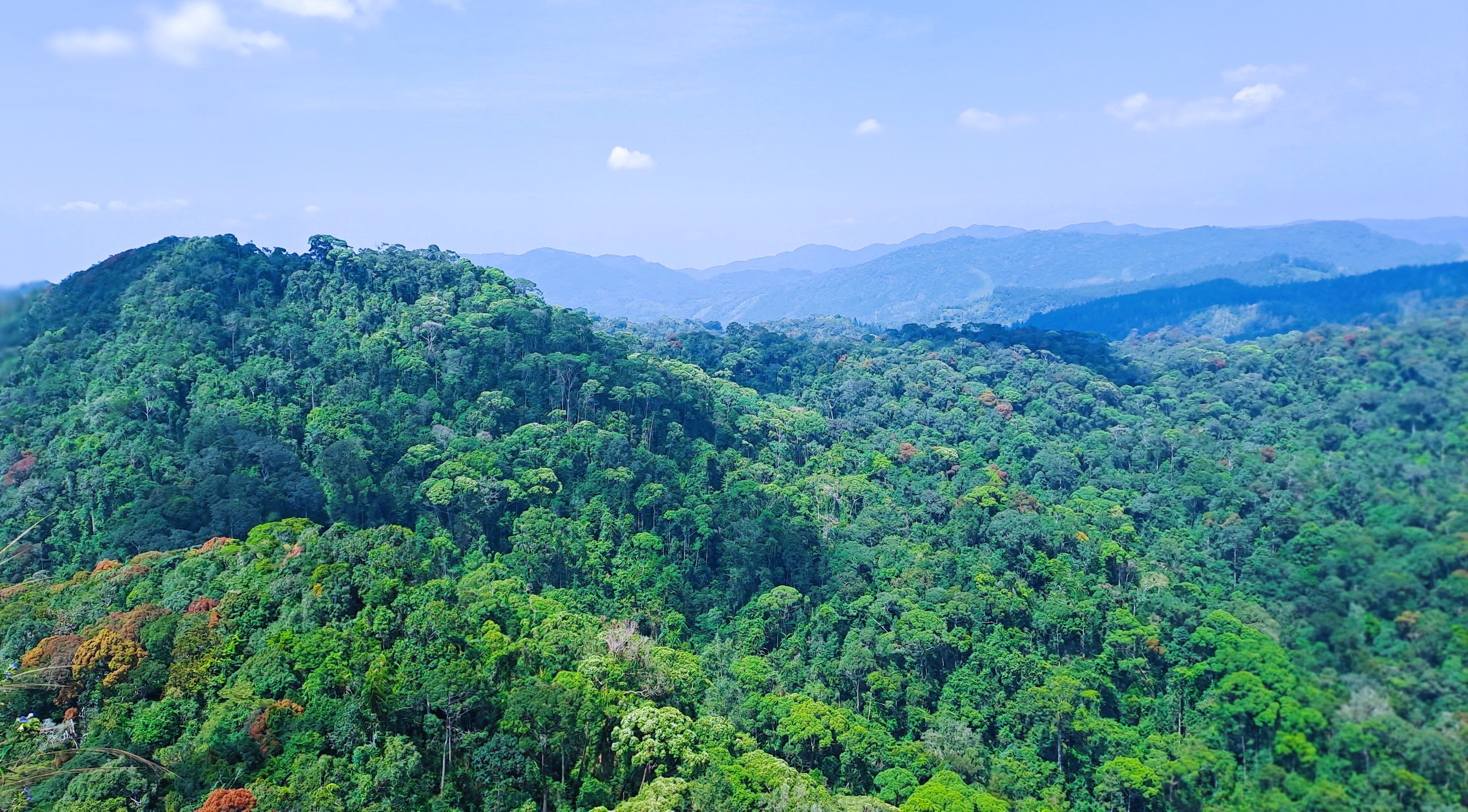
Beyond human heritage, Sri Lanka’s biodiversity shines through three natural sites. The crown jewel among these is the Sinharaja Forest Reserve, an 11,187-hectare sanctuary that protects the island’s last significant tract of lowland rainforest. This biological treasure trove represents one of the world’s most biodiverse ecosystems, with over 60% of its trees being endemic to Sri Lanka.
Sinharaja’s ecological value extends far beyond its impressive statistics. The forest serves as a living laboratory where scientists continue discovering new species – from tiny frogs to colorful birds found nowhere else on Earth. The endemic Purple-faced Langur swings through its canopy alongside the Sri Lankan Blue Magpie, while the forest floor teems with unique reptiles and amphibians. Over 130 bird species call Sinharaja home, with 20 being endemic to the island. The forest also acts as a crucial carbon sink, helping mitigate climate change while maintaining regional weather patterns.
The Central Highlands complement this natural heritage, encompassing Horton Plains, Adam’s Peak Wilderness, and the Knuckles Range, creating vital wildlife corridors that connect fragmented habitats across the island’s mountainous heart.
These UNESCO sites represent more than tourist destinations; they embody Sri Lanka’s soul, preserving irreplaceable cultural memories while protecting natural ecosystems for future generations. Each site tells a unique chapter in humanity’s shared story, making Sri Lanka an essential pilgrimage for anyone seeking to understand our collective heritage.