The Day That Changed Everything: How One Meeting Made Sri Lanka Buddhist Forever
By Rainforest Vibe Guides
The Day That Changed Everything: How One Meeting Made Sri Lanka Buddhist Forever
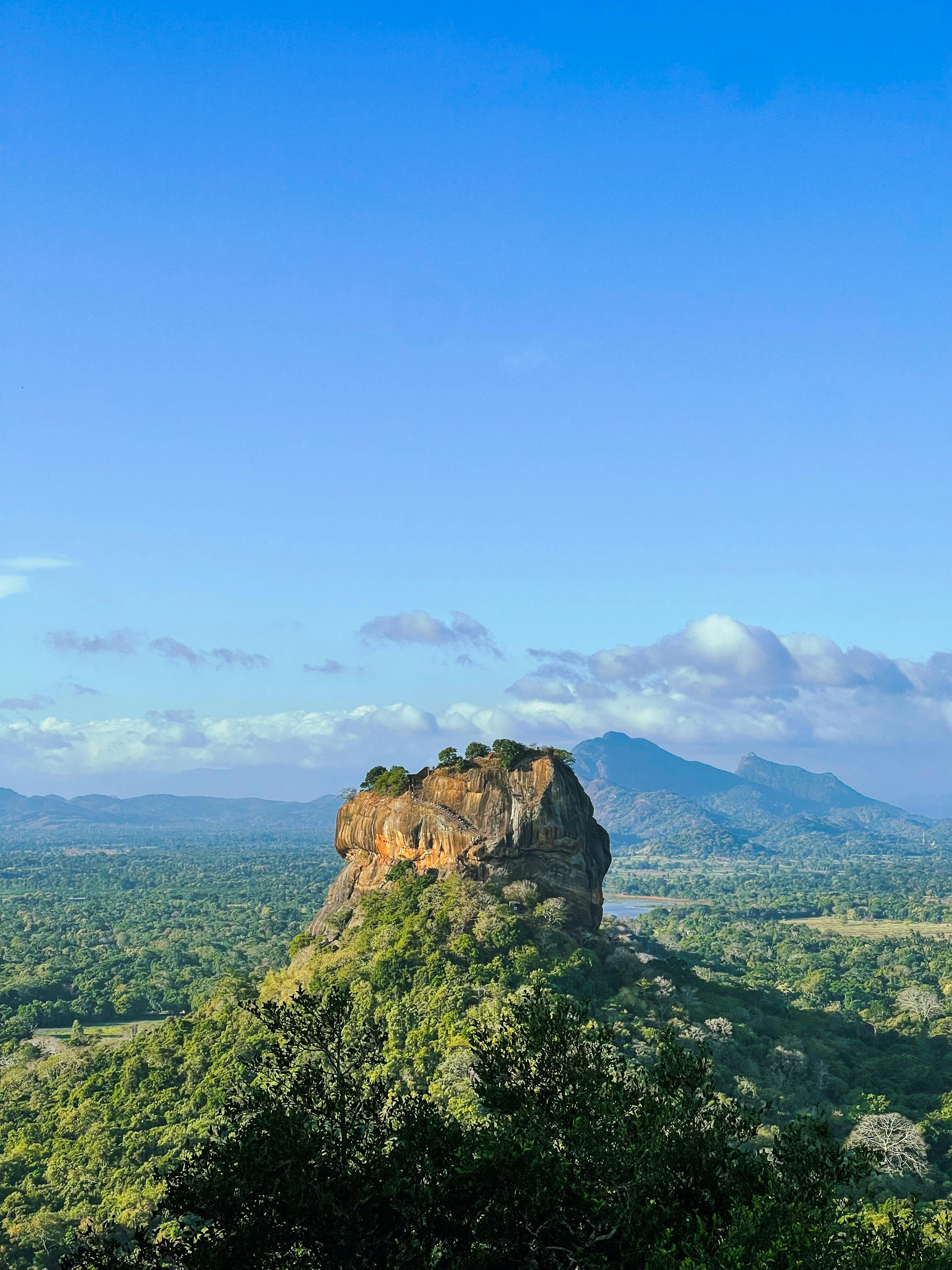
The full moon illuminates Mihintale Rock as thousands of devotees in white robes climb ancient stone steps. This is Poson Poya, Sri Lanka’s most sacred Buddhist festival, commemorating the arrival of Buddhism to the island nation over 2,300 years ago.
The Historic Story Behind Poson Festival
In the 3rd century BCE, a meeting that would forever change Sri Lankan history took place on Mihintale Mountain. King Devanampiya Tissa was hunting when he encountered Arahat Mahinda, son of Emperor Ashoka of India, who had arrived with five Buddhist monks to spread the Buddha’s teachings.
“Tissa, King Tissa,” called the monk, addressing the surprised king by name. This extraordinary encounter led to the king’s conversion to Buddhism, marking the beginning of Sri Lanka’s Buddhist heritage. The Poson Festival celebrates this pivotal moment when Buddhism first took root in Lankan soil.
When is Poson Celebrated?
Poson Poya occurs annually on the full moon day in June, typically falling in late May or early June. This timing holds deep significance—the full moon represents spiritual illumination and the complete dharma teachings that Arahat Mahinda brought to Sri Lanka. The festival is a national holiday throughout the country.
How Sri Lankans Celebrate Poson Festival
The heart of Poson celebrations centers on the sacred pilgrimage to Mihintale, known as the “cradle of Buddhism in Sri Lanka.” Devotees undertake the challenging climb up 1,840 granite steps to reach the summit where Buddhism first arrived. This spiritual journey often begins before dawn, with pilgrims carrying lotus flowers and oil lamps.
Traditional Poson rituals include:
Temple Visits: Buddhists dress in pure white clothing and visit local temples for special ceremonies. Monks deliver sermons retelling the story of Arahat Mahinda’s arrival while devotees observe the Eight Precepts.
Pandals and Decorations: Elaborate temporary structures called pandals line temple routes, featuring colorful artwork depicting Buddhist stories and the arrival of the dharma to Sri Lanka.
Dana (Giving): Families prepare vegetarian meals to offer monks and share with communities, embodying Buddhist principles of generosity and compassion.
Meditation and Prayer: Many devotees spend the entire night in meditation at sacred sites, watching sunrise from locations where ancient Buddhist masters once taught.
The Spiritual Significance of Poson
Poson Festival represents far more than historical commemoration—it celebrates Sri Lanka’s unique role as guardian of Theravada Buddhism. The island preserved the original Pali Canon through centuries of change, maintaining the Buddha’s teachings in their purest form.
For modern practitioners, Poson embodies the transmission of wisdom from teacher to student. It reminds Buddhists that enlightenment remains accessible to sincere seekers and that spiritual truth transcends geographical boundaries.
Poson’s Modern Relevance
Today’s Poson celebrations blend ancient traditions with contemporary expressions. Live-streamed ceremonies connect global Buddhist communities, while social media campaigns promote Buddhist values of mindfulness and compassion worldwide.
The festival demonstrates how 2,300-year-old wisdom remains relevant in our digital age. As Sri Lankan monks teach meditation internationally and Buddhist principles influence global wellness practices, Poson reminds us that spiritual traditions survive through dedicated transmission.
Experience the Sacred Festival
Poson Festival offers profound insights into authentic Buddhist practice and Sri Lankan culture. Whether you’re a practicing Buddhist, student of world religions, or spiritual seeker, this celebration provides unique access to living Buddhist tradition.
Consider visiting Sri Lanka during Poson season to join pilgrims at Mihintale, participate in temple ceremonies, and witness how ancient wisdom continues inspiring millions. If travel isn’t possible, connect with local Buddhist communities observing Poson or use the full moon as an opportunity for personal reflection.
Explore the teachings of Arahat Mahinda and discover how Buddhist principles of mindfulness, compassion, and understanding impermanence apply to modern life’s challenges. Let Poson’s message remind you that spiritual awakening often comes through unexpected encounters and that true peace emerges from understanding our own minds and hearts.
The sacred lamps still burn on Mihintale Rock, and the invitation to spiritual discovery remains open to all willing to climb toward enlightenment.